
Digital marketing is the cornerstone of modern customer engagement, blending data, creativity, and technology to build lasting relationships between brands and their audiences. While the term may sound broad, it encompasses a set of measurable, channel‑specific tactics that help businesses raise awareness, generate leads, and convert prospects into loyal customers—all conducted through digital platforms.
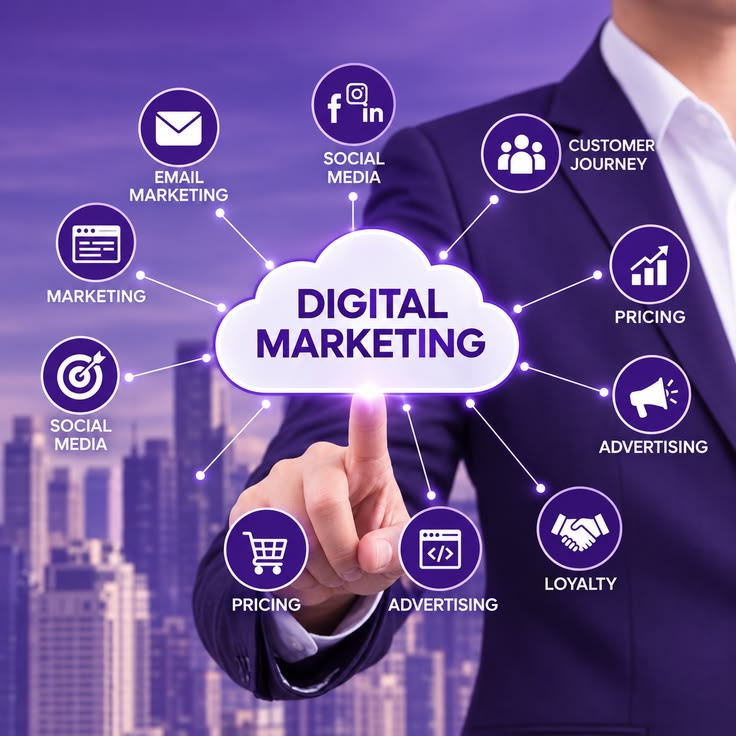
1. Core Components of Digital Marketing
| Element | Description | Typical Tools || Search Engine Optimization (SEO) | Optimizing content for organic search visibility. | Ahrefs, SEMrush, Google Search Console | | Pay‑Per‑Click (PPC) | Paid campaigns on platforms like Google Ads and Bing Ads. | Google Ads, Microsoft Advertising | | Content Marketing | Creating valuable, shareable content that attracts audiences. | WordPress, HubSpot, Medium | | Social Media Marketing | Engaging with audiences on Facebook, Instagram, LinkedIn, etc. | Hootsuite, Buffer, Sprout Social | | Email Marketing | Targeted email campaigns for nurturing and retention. Analytics & Attribution | Measuring performance and ROI. | Google Analytics, Tableau |
These pillars work in tandem; effective digital marketing relies on the synergy between them rather than isolated efforts.
2. The Digital Marketing Funnel
1. Awareness – Reach a broad audience through organic search, paid ads, or social posts. 2. Interest – Capture attention with educational content, eye‑catching graphics, or engaging videos. 3. Consideration – Provide in‑depth resources (whitepapers, webinars, case studies) that address specific pain points. 4. Conversion – Use landing pages, calls‑to‑action, and lead‑capture forms to turn prospects into leads. 5. Retention & Advocacy – Engage via personalized email workflows, loyalty programs, and community building.
The funnel isn’t linear; marketers constantly adjust tactics based on quantitative signals.
3. Extended Channels and Emerging Trends
- Voice Search – Optimizing for devices like Alexa and Google Assistant.
- Chatbots & Conversational AI – Automating support and lead generation.
- Programmatic Advertising – Using algorithms to buy ad inventory at scale.
- Influencer Partnerships – Leveraging niche audiences on platforms like TikTok and Instagram.
Emerging technologies like augmented reality (AR) for product demos and AI‑driven content generation are reshaping how brands communicate.
4. The Lenses of Technical and Creative Expertise
| Skill | Relevance to Digital Marketing | Application | Graphic Designing | Creates visually appealing assets that improve engagement rates. | Social media graphics, ad banners, infographics. | | Video Editing | Produces dynamic content that captures attention across platforms with unlimited reach. | Promo videos, explainer reels, live‑stream overlays. | | Website Development | Ensures a fast, secure, and conversion‑optimized user journey. | Responsive design, landing pages, e‑commerce setup. |
These disciplines are often undervalued individually but become indispensable when integrated effectively. A Digital Marketing Course that blends technical coursework with practical projects can equip you with this hybrid skill set.
5. How Digital Marketing Works in Practice
1. Target Audience Research – Use demographic data and psychographic insights to build personas. 2. Strategic Mapping – Assign tactics to each funnel stage based on objectives (e.g., SEO for awareness, email nurture for consideration). 3. Content Creation – Leverage graphic design and video editing to produce high‑quality assets aligned with brand voice. 4. Publishing & Promotion – Publish on brands’ owned channels, boost reach with paid PPC or social ads. 5. Data Collection – Track metrics like CTR, bounce rate, time‑on‑site, and conversion rate. 6. Optimization – Iterate based on A/B testing, attribution models, and performance reviews.
The cycle is iterative, requiring constant learning and adjustment—hence why many professionals pursue specialized Digital Marketing Courses to stay current.
6. Measuring Success
Key performance indicators (KPIs) vary by business goals:
- Brand Awareness – Impressions, reach, brand‑listed keywords.
- Lead Generation – Lead‑capture rate, cost per lead.
- Conversion – Conversion rate, average order value, lifetime value (LTV).
- Retention – Churn rate, repeat purchase rate, email open/click rates.
Reporting tools should deliver real‑time dashboards and executive‑friendly insights, allowing stakeholders to make data‑driven decisions.
7. Charting Your Digital Marketing Journey
1. Start with a Foundation – Proven frameworks (AIDA, RACE, 4Ps) help structure strategies. 2. Hands‑On Projects – Create mock campaigns for SMEs or not‑for‑profit clients. 3. Certifications – Google Ads, HubSpot, Facebook Blueprint, and broader courses such as the Digital Marketing Course from industry partners. 4. Specialize – Choose a niche like e‑commerce, B2B SaaS, or local business marketing—each demands different tactics. 5. Continuous Learning – Stay updated with platform algorithm changes and emerging channels.
Digital marketing thrives on real‑world experimentation; simulation labs in a structured course often mirror these conditions.
8. Conclusion
Digital marketing isn’t a single activity—it’s a data‑driven ecosystem that marries creative storytelling with targeted technology. From SEO groundwork to compelling video production, every component must work in concert to move prospects through the funnel. By mastering the interplay of content, analytics, and channel strategy—through practical experience and targeted education, such as a comprehensive Digital Marketing Course—professionals can craft campaigns that are not only measurable