
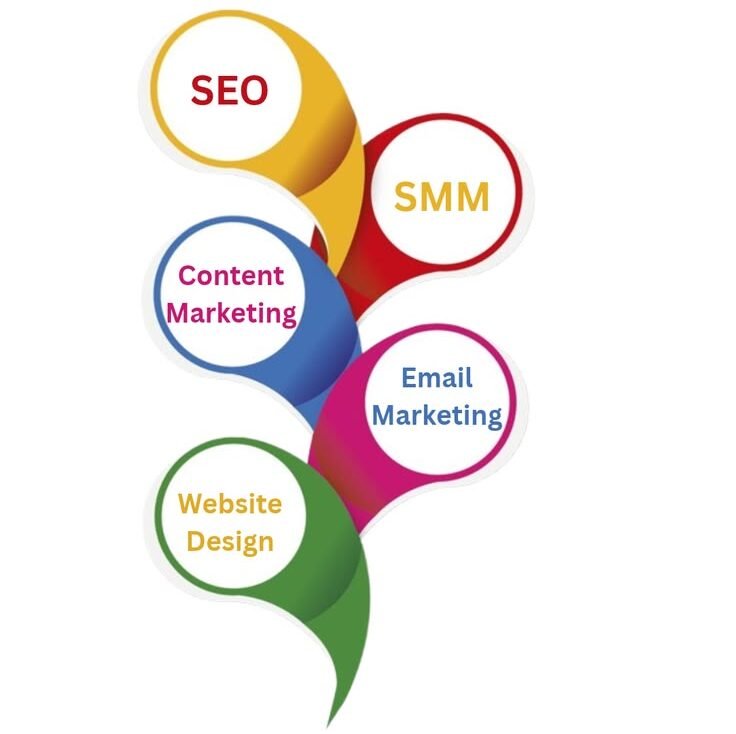
When deciding how to build skills in the fast‑moving world of Digital Marketing, Graphic Designing, Video Editing, or Website Development, many learners wonder if they should opt for a short 1‑month crash course or a more extensive 6‑month complete program. Both formats have their merits, but they cater to different learning objectives, time commitments, and career goals. This article breaks down the contrasts, helping you choose the right path for your situation.
1. Course Duration and Depth
1‑Month Crash Course
- Intensive Learning: Covers the essentials in a high‑velocity format.
- Targeted Topics: Focuses on core concepts and immediate application.
- Limited In‑Depth Exploration: Advanced techniques or nuanced theory are often omitted.
6‑Month Complete Course
- Comprehensive Coverage: Delivers a structured curriculum spanning fundamentals to advanced strategies.
- Theoretical and Practical Balance: Combines conceptual understanding with hands‑on projects.
- Layered Skill Development: Allows you to revisit topics, receive feedback, and consolidate learning over time.
2. Learning Outcomes
| Aspect | Crash Course | Complete Course | Skill Mastery | Basic proficiency, ability to perform simple tasks. | Proficiency, confidence to handle complex projects. | | Portfolio Building | Few quick projects, can showcase basic deliverables. | Multiple, diverse projects that demonstrate depth. | | Industry Readiness | Good for short‑term gigs or entry‑level roles. | Prepares for full‑time positions requiring advanced skillsets.
3. Pedagogical Approach
1‑Month Crash Course
- Project‑Based Learning: Learners complete a small project (e.g., create a landing page or edit a short clip).
- Rapid Feedback Loops: Instructors offer quick critiques to keep momentum.
- Self‑Paced Modules: Often delivered online with a predefined schedule.
6‑Month Complete Course
- Sequential Modules: Each topic builds on the previous, ensuring conceptual continuity.
- Mentorship & Peer Review: Students receive mentorship from industry experts and collaborative feedback from classmates.
- Capstone Project: Culminates in a comprehensive assignment that mirrors real‑world challenges.
4. Time Commitment and Flexibility
- Crash Course: Requires a few hours per day; ideal for professionals or students who need immediate skills.
- Complete Course: Demands a sustained weekly commitment (hours per week). Suited for full‑time learners or those aiming for a career transition.
5. Cost and Value
| Factor | Crash Course | Complete Course | Tuition | Lower due to intensity and shorter duration. | Higher, reflecting depth and added resources. | | Return on Investment | Quick skill gains can lead to freelance gigs or a side hustle. | Deeper knowledge yields higher-paying roles and long‑term career growth. | | Certification | Often comes with a “completion” certificate. | Provides comprehensive certification and portfolios that employers highly value.
6. Ideal Learner Profiles
| Learner | Recommended Course | Rationale | Designer with a day job | 1‑Month Crash Course | Needs a quick skill boost without major life disruption. | | Career Changer | 6‑Month Complete Course | Requires a solid foundation to switch industries. | | Freelancer | Either | Crash for immediate projects; complete for long‑term portfolio growth. | | Aspiring Digital Marketer | 6‑Month Complete Course | Needs in‑depth knowledge of analytics, SEO, and content strategy. |
7. Practical Examples
Digital Marketing
- Crash Course: Master basic Google Ads and Facebook Campaign set‑up.
- Complete Course: Learn SEO, email automation, content marketing, analytics, and conversion optimization.
Graphic Designing
- Crash Course: Get comfortable with Adobe Illustrator for logo creation.
- Complete Course: Dive deep into typography, branding, motion graphics, and user‑experience design.
Video Editing
- Crash Course: Edit a 2‑minute promo using quick cuts and transitions.
- Complete Course: Produce multi‑scene narratives, sound design, color grading, and mastering footage.
Website Development
- Crash Course: Build a single‑page responsive site with HTML/CSS.
- Complete Course: Develop full‑stack applications, database integration, security best practices, and deployment pipelines.
8. Choosing the Right Path
1. Define Your Goal: Immediate job, freelance income, or career transformation? 2. Assess Your Schedule: Can you dedicate weekly hours for 6 months? 3. Evaluate Budget: Consider long‑term ROI against upfront costs. 4. Research the Curriculum: Ensure the program’s topics align with industry needs.
9. Frequently Asked Questions
- Can I take a crash course after completing a full course?
Yes, it can refresh skills or introduce new tools quickly.
- Do employers value crash course certificates?
Many appreciate them for proof of quick learning, but a comprehensive credential often weighs more heavily for senior roles.
- Are online platforms offering both?
Absolutely; platforms like Coursera, Udemy, and bootcamps provide a range of options.
10. Final Takeaway
A 1‑month crash course is a focused, budget‑friendly route to launch or supplement your skillset, ideal for quick wins and early freelancing. In contrast, a 6‑month complete course presents a deeper, structured journey, equipping you with the versatility and confidence needed for full‑time employment or entrepreneurial ventures.
Ultimately, the decision hinges on your personal timelines, learning preferences, and professional aspirations. Whichever route you choose, continuous practice and staying updated with industry trends remain the keys to lasting success in Digital Marketing, Graphic Designing, Video Editing, and Website Development.